ABOUT US

Welcome to Bup’s Family Farm

We're a family-owned farm nestled on 80 acres in Holly, Michigan. Founded in 2025 by Craig Rabidoux, known as "Bup" by his 8 grandchildren. Our mission is simple: raise chickens the right way and bring honest, wholesome food to families across the country.

How We Raise Our Chickens

Our chickens are pasture-raised, which means they spend their days outdoors on fresh grass, foraging naturally the way chickens were meant to live. We rotate our flocks daily across our pastures to ensure the land stays healthy and the birds have access to clean, green ground year-round. Happy, active chickens raised in open air - that's the Bup's difference.

Our Promise: No Soy. No GMOs. No Hormones.

We believe you deserve to know exactly what's in your food. That's why our chickens are raised on a soy-free, non-GMO feed with no added hormones, ever. We don't cut corners, and we don't compromise on what goes into our birds. What you see on the label is exactly what you get.

USDA Processed. Shipped Frozen Nationwide.

Every bird is processed at a USDA-inspected facility so you can trust the quality and safety of every order. We ship our chicken frozen with freeze packs directly to your door, so farm-fresh flavor arrives in perfect condition no matter where you live in the continental US.

What's Coming Next

We're just getting started. Pasture-raised beef is on the horizon, raised with the same care and commitment you've come to expect from Bup's Family Farm. Stay tuned.

From Our Family to Yours

When you order from Bup's, you're not buying from a factory or a middleman. You're buying directly from the Rabidoux family — people who wake up every morning to care for these animals and take pride in every package we ship. Thank you for supporting our farm and our family.

Meet Bup

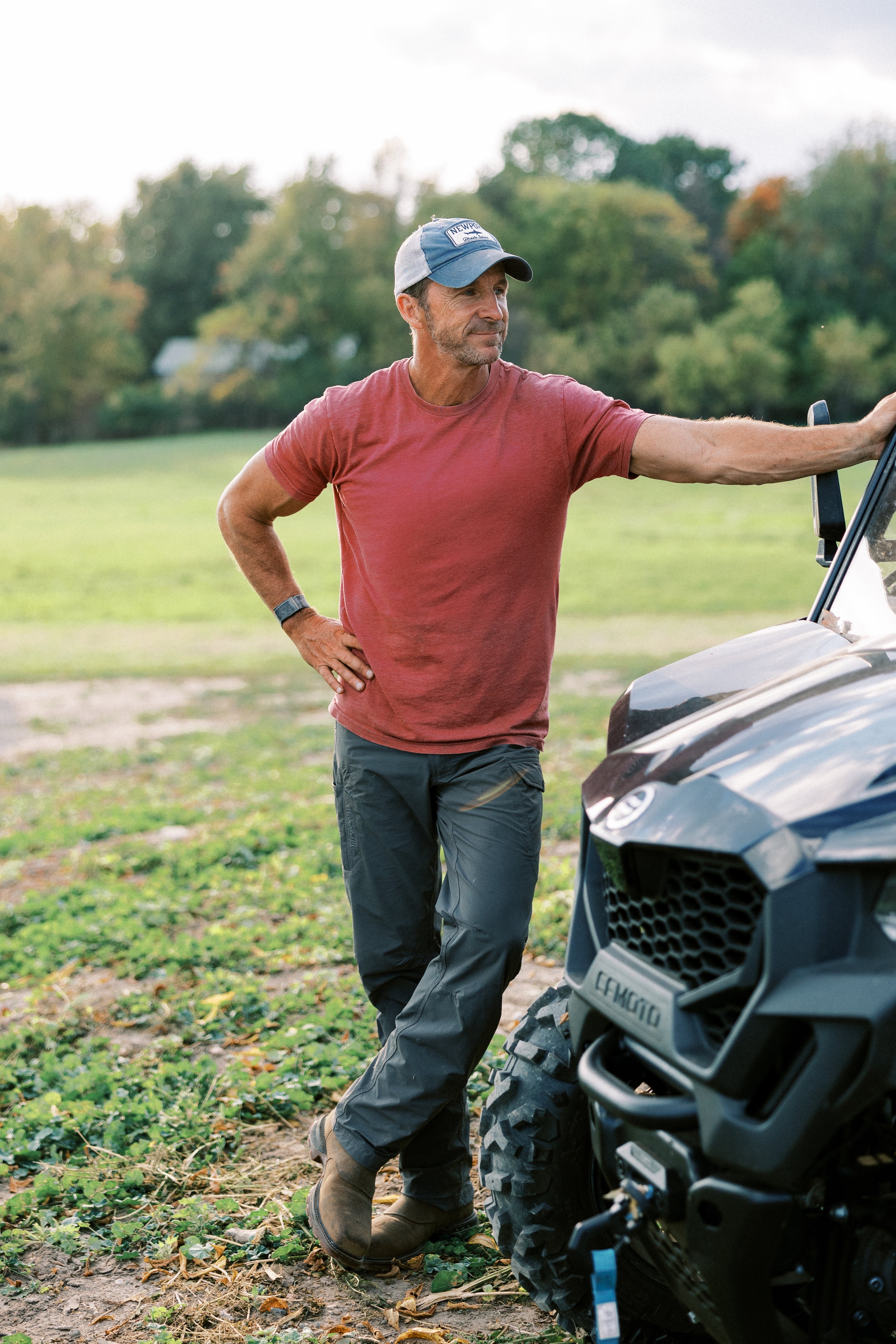
Bup's Family Farm is owned and operated by Craig Rabidoux, AKA "Bup". and his family - wife, children, and grand children, brother, and father.

He started asking questions about the store-bought meat we all consume - where does it come from, what's really in this, or how is it raised? The answers to those questions were more than disappointing.

Bup decided to do something about it, by starting a farm to produce healthy food for his family and community. With zero previous experience, but a passion to do it right, he purchased land and a tractor.

Bup aspires to not only feed thousands of people with the healthiest meat possible, but to pass on the art of regenerative farming to his children and grandchildren.

Regenerative Farming

We are a regenerative agriculture farm. This means everything we do revolves around producing an improving the most important part of growing food - the soil. No fertilizer, no planting, no pesticides.

The animals' grazing, foraging, and manure is all that is necessary to produce beautiful green pastures with rich organic matter. Our animals are moved daily, allowing the land to regenerate for a minimum of 40 days before having animals back on pasture.

How we raise chickens

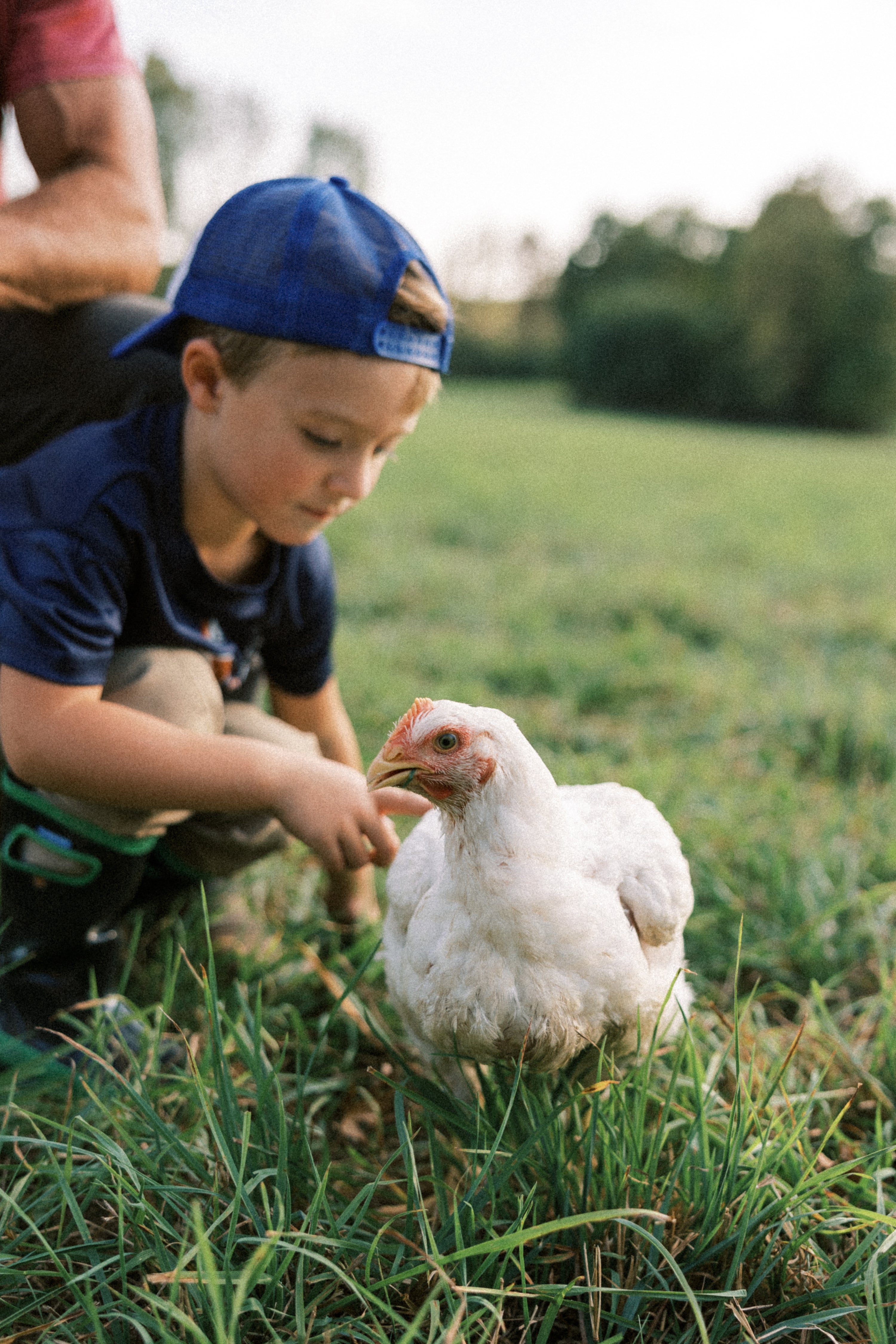
Our chickens are pasture-raised - this means they forage for bugs, larvae, seeds, dirt, and grass. They are happy, and stress-free, living the way nature intended. Our chickens are also offered non-soy, non-GMO feed to snack on.

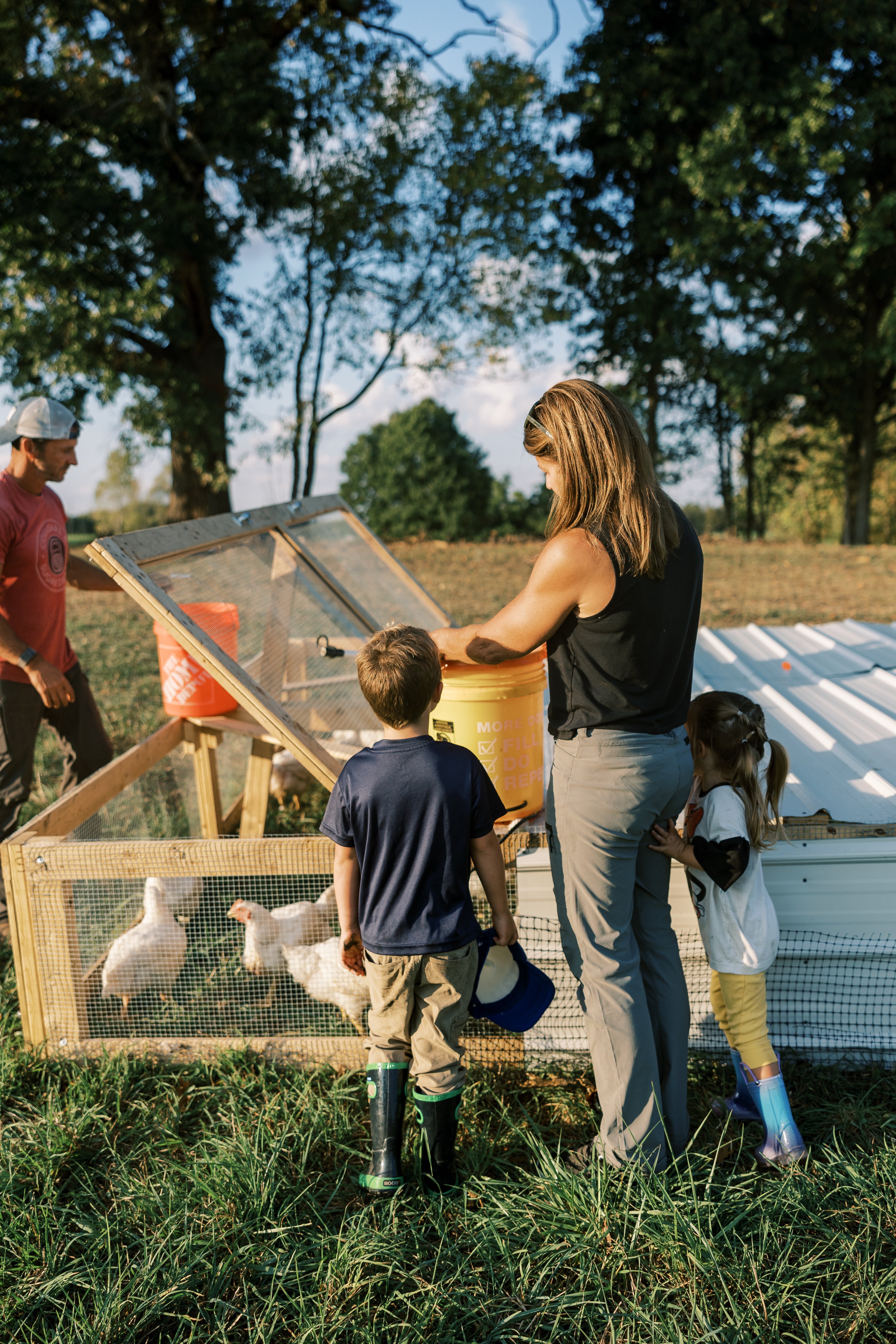
Sunlight, fresh-air, variety of forage, and clean water is what it takes to make the healthiest chickens. The tractor gives the chickens all of that - open section to allow sunlight, sheltered section for protection, fresh-air 24/7, non-selective forage, fresh pasture every day, and clean water from a closed bucket unexposed to the elements.

Wait, what's free range?

The coop that you see is called a "tractor", and is moved every day. Chickens prefer shelter, and flocking together to feel safe - they actually do not prefer to be "free range", despite long time marketing efforts.

Containing the chickens gives them protection, while still allowing for sunlight, and keeps their stress levels low. Containment also ensures that the chickens have a non-selective diet, forcing them to eat all of the piece of pasture they are on that day instead of just their favorites. A non-selective diet produces a more nutrient dense meat.

Since we move our chickens every day, they are not living in their own manure, keeping them healthy, dry, and disease-free. This also lays down just the right amount of manure to regenerate the soil, where it will rest for a minimum of 40 days before another animal is on that piece of pasture.

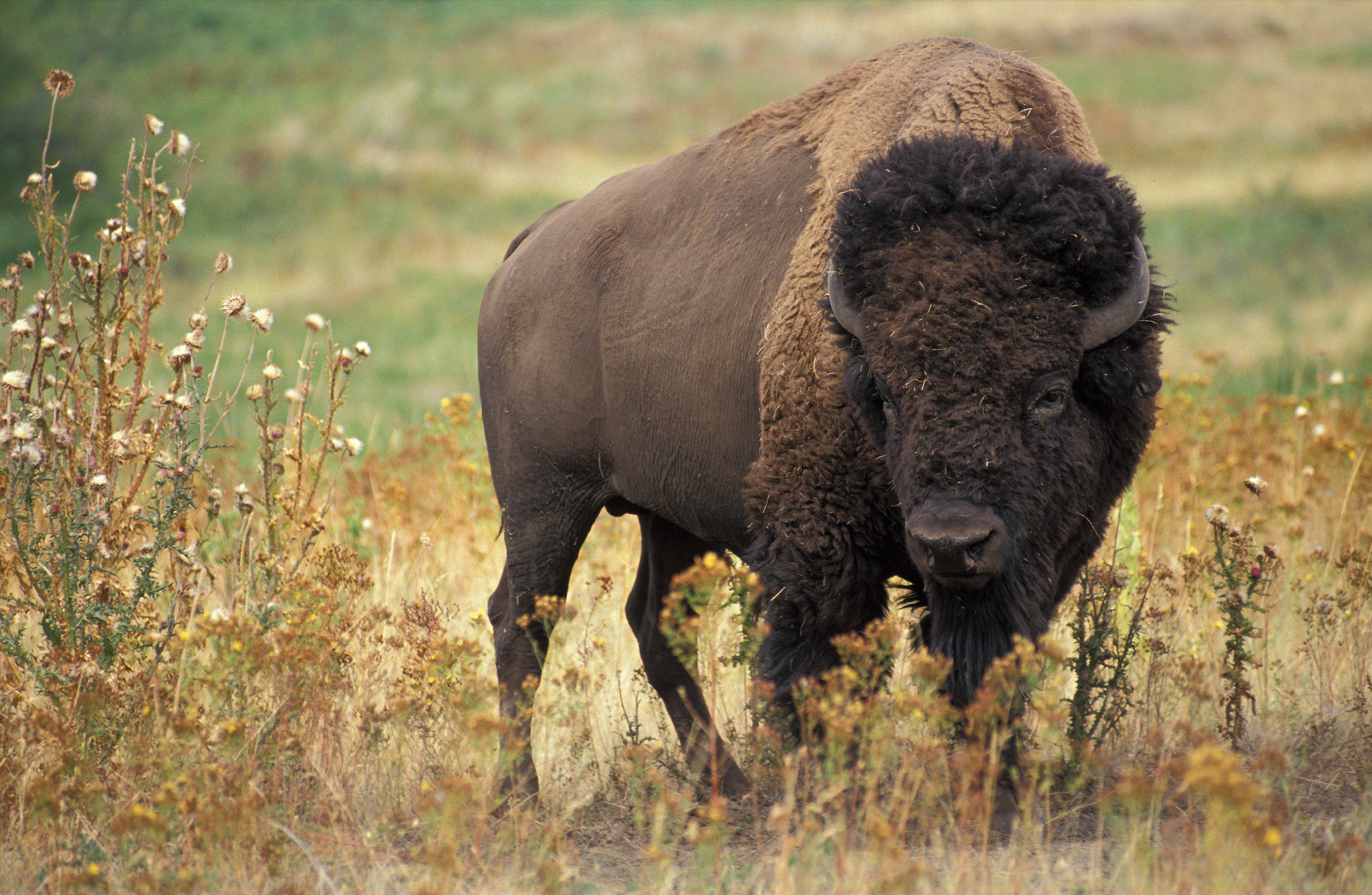
Cattle coming soon...

We plan to have highland cows on pasture by 2027, with meat available for purchase by 2028. Stay tuned!